UK Green Party breaks Labour and Conservative dominance in British politics
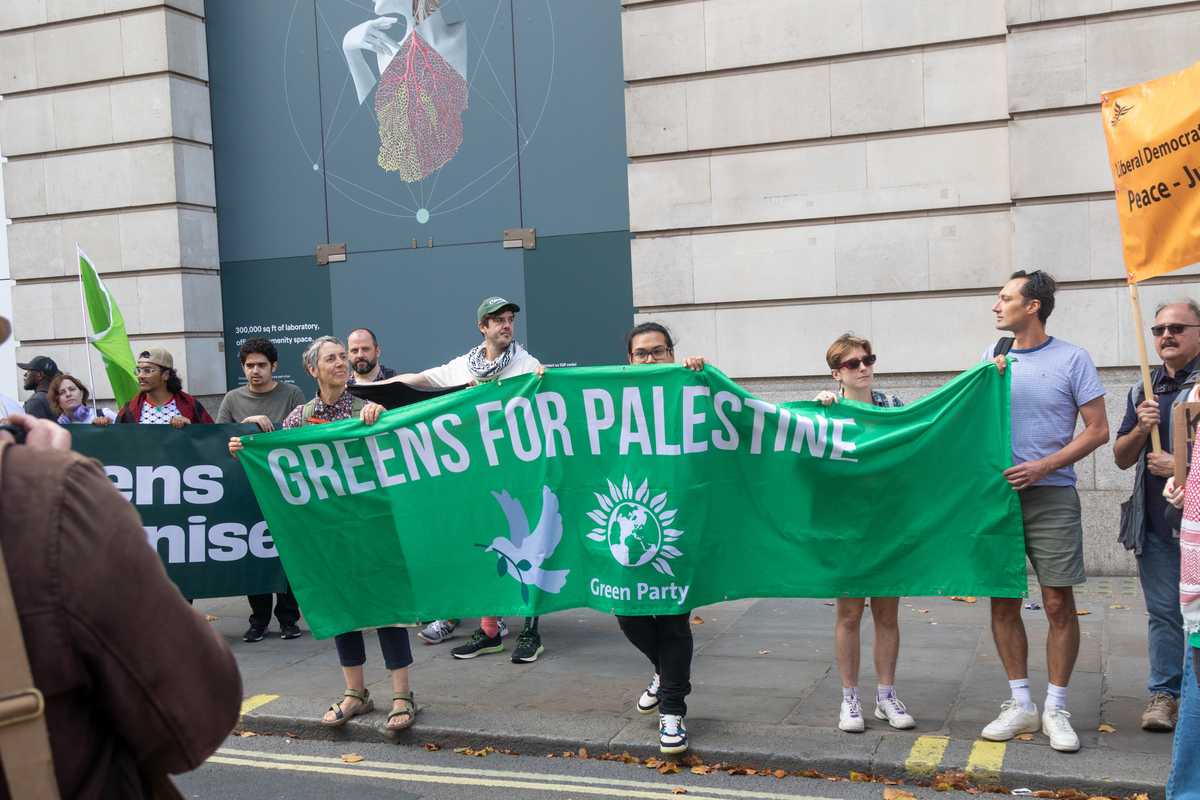
The UK Green Party has secured a significant victory in the late-February by-election in the Gorton and Denton constituency, in Greater Manchester. The result has disrupted the long-standing dominance of Labour and the Conservatives in British politics, with the Labour Party, now in government at Downing Street, finishing only third, also behind Nigel Farage’s Reform UK.
Green candidate Hannah Spencer, a 34-year-old plumber, won 41% of the vote. Alongside economic and social concerns such as the rising cost of living and the decline of public services, the Labour government has also been affected by the Epstein case, which involved former ambassador to Washington Peter Mandelson, appointed by Keir Starmer in February 2025 and later dismissed. Following these revelations, critics have also called for Starmer’s resignation.
On 7 May 2026, millions of voters across the United Kingdom will head to the polls in what is expected to be the most significant electoral round since the 2024 general election. Voters in Scotland and Wales will elect representatives to their national parliaments, while in England several local council and mayoral elections will take place.
Before Zack Polanski became party leader last September, the Greens in England and Wales had nearly 66,000 members. That figure has now risen to 215,000, and membership continues to grow rapidly. Will this surge be confirmed by the results in May? Could the Greens deliver a decisive blow to the current Labour government? We discussed this with Mitya Pearson, Assistant Professor in Politics of Climate Change at the University of Warwick.
Who are the Greens in the UK, and what factors are contributing to their current rise?
The Green Party of England and Wales (there are sister green parties in Scotland and Northern Ireland) are in the classic mould of European green parties, including now being located very clearly on the left. The party was initially formed during the 1970s, but really began to slowly gain an electoral presence during the 1990s – they have made electoral advances at various levels since then including gaining a seat at the Westminster parliament in 2010.
The most obvious factors that explain their recent rise are the political space being open to the left (on the economy but also on issues like Gaza) of the Labour Party since Jeremy Corbyn stood down as Labour leader, and the wider fragmentation of the party system in the UK with voters clearly disillusioned with the Labour and Conservative parties. This helps explain how they achieved their best result ever at the 2024 general election. They then elected Zack Polanski as leader who is an effective communicator and has focused on a left populist message (emphasising the cost of living and advocating policies like a wealth tax), which has boosted their popularity further.
Why is their victory in the Gorton and Denton by-election at the end of February considered a “wake-up call” for the Labour Party?
The Labour Party took a very efficient approach to the 2024 general election – basically shedding left-leaning/liberal voters in cities and seats where they had big majorities, in an attempt to win less progressive voters in more marginal seats. This worked very well in winning seats but meant they won the election on quite a small vote share.
For much of the time since being in government the Labour Party have sought to appeal to voters who might vote Labour or Reform (with the Prime Minister’s chief of staff Morgan McSweeney seen as the key person behind this strategy before he recently resigned), for example via a hardline approach to immigration and welfare. There is a lot of internal criticism now of this strategy which is said to have alienated voters on the left. Since getting into office, they have lost a lot of popularity (they are now polling around 17%). Not only have some voters switched to Reform, but a larger chunk of voters are now saying that they would vote for other left/liberal parties (the Green Party and the Liberal Democrats).
The by-election is a wake-up call because it demonstrates Labour’s vulnerability to a challenge from the left, as well as confirming their weak popularity which is seen in the polls.
What are the core pillars of the British Green Party’s agenda, and how does it differ from those of other European Green parties?
A deep commitment to environmental protection, including action on climate change, combined with a left-wing economic agenda (wealth taxes, public spending), and a liberal approach to social issues (drug decriminalisation).
In my view, the Green Party of England and Wales are quite typical of many European green parties though more radical (on issues like economic growth) than the Germans greens for example.
Is their platform strictly focused on environmental issues, or is it a mixed agenda that incorporates broader left-wing themes?
Definitely the latter. In fact, a lot of people have commented on how little Zack Polanski talks about the environment in favour of left-wing economics.
In your opinion, what are their national prospects? Could they significantly challenge the current government in the upcoming local and Welsh Parliament elections in May?
They are expected to do very well at the next local elections including in London. After that, there are a lot of Westminster seats where they could be competitive including a series of places where they came second to Labour at the 2024 general election. A lot of urban seats which are currently Labour could go Green based on current conditions.