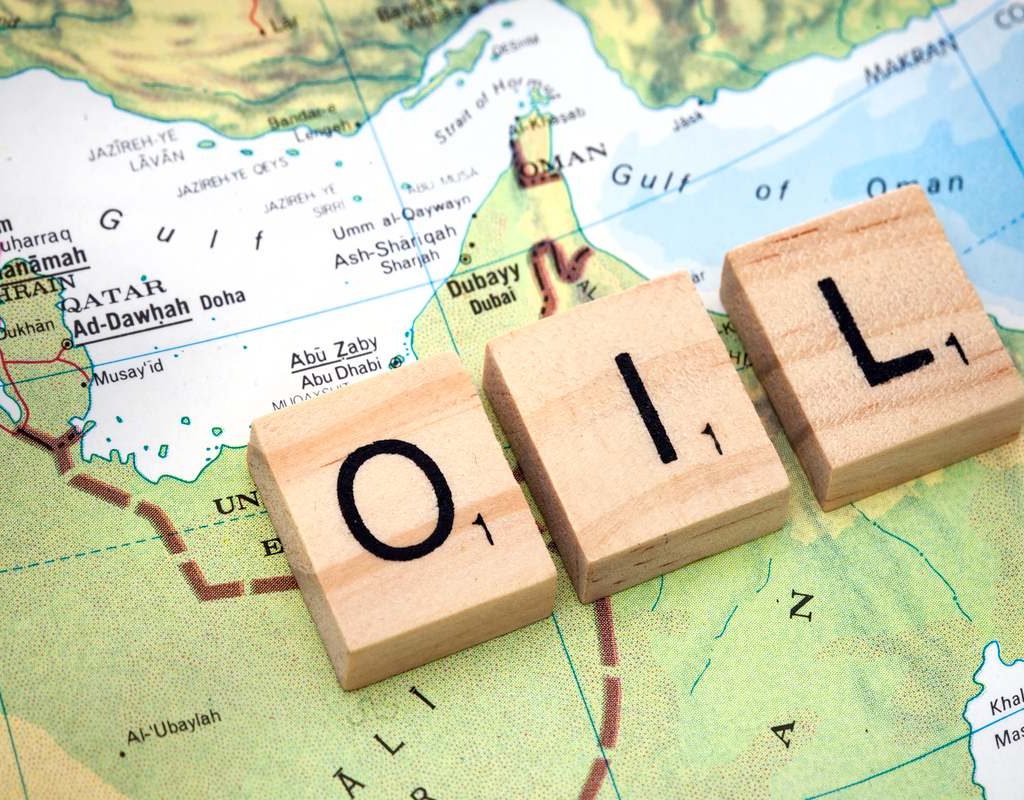
Iran war leaves global oil supply risks unresolved despite falling prices
The latest Iran war developments point to growing concern over oil supply risks as tensions across the Middle East continue to escalate. While financial markets have welcomed the recent pause in military operations, analysts caution that the current lull appears to be a temporary break rather than a genuine de-escalation. As a result, market optimism is increasingly disconnected from conditions on the ground.
The International Energy Agency (IEA) is closely monitoring global oil markets. Fighting continues to affect the Strait of Hormuz and critical regional energy infrastructure, fueling concerns over supply security and increasing uncertainty about the global energy outlook. In its July 27 market update, the IEA also highlighted growing risks to shipping through the Bab el-Mandeb Strait, an increasingly important alternative route as vessels seek to avoid Hormuz.
Refined fuel markets remain under pressure
IEA Executive Director Fatih Birol said crude oil and natural gas markets have so far benefited from several mitigating factors. However, he warned that there can be no confidence in oil supplies while the regional escalation continues.
Refining activity and fuel product availability have not increased at the same pace as crude deliveries. As a result, markets for refined petroleum products, including diesel and gasoline, remain under significantly greater strain than crude oil markets. With the Strait of Hormuz still effectively closed to normal commercial traffic, global energy security conditions are expected to deteriorate further.
Longer-term prospects also remain highly uncertain. According to Reuters, citing sources familiar with the discussions, OPEC+ could suspend its planned gradual production increases after September for the remainder of 2026, as additional negotiations will be needed before setting production quotas for 2027.
For natural gas, much of the liquefied natural gas (LNG) supply lost because of disruptions in Hormuz has been offset by shipments from other exporting regions, primarily the United States. Nevertheless, Birol warned that any further delays in restoring Gulf exports could keep global LNG markets tighter for longer.
Iran war updates show military risks remain despite lower oil prices
Oil prices have continued to decline following President Donald Trump’s decision to halt U.S. airstrikes. Brent crude has fallen by roughly 6% to 7%, reflecting investors’ optimism that the conflict may ease.
On the ground, however, conditions have changed little. The Strait of Hormuz remains effectively blocked, U.S. military deployments across the region continue, and Iranian military movements have not slowed. Meanwhile, the Arabian Peninsula-Bab el-Mandeb corridor remains highly unstable because of ongoing tensions involving the Houthis. Trump has also warned that U.S. military operations would resume if negotiations fail.
At the same time, Oman has reportedly presented Iran with a proposal backed by Gulf states for managing traffic through the Strait of Hormuz. According to Reuters, citing a Gulf source and a Western diplomat, the plan would include a system of voluntary transit contributions for vessels using the waterway.
“Absent any major new developments, the pause in the conflict over the past few hours is unlikely to signal the beginning of a resolution,” said Beniamino Franceschini, a geopolitics lecturer at the SSML of Pisa and vice president of Il Caffè Geopolitico. “Instead, it appears to represent a period of strategic calculation, perhaps even a stress test among the parties involved. It is telling that Israel’s direct involvement remains limited, while media reports describe, though without confirmation, air operations by Bahrain and Kuwait against Iranian targets with support from the United Arab Emirates. The regional balance remains fragile, and market optimism is not supported by the military reality.”