Rising import costs expose Europe’s energy vulnerability
Sixty days after the United States and Israel launched military strikes on Iran, triggering what is being described as the third Gulf war, the global energy system has entered one of its most severe crises in recent history.
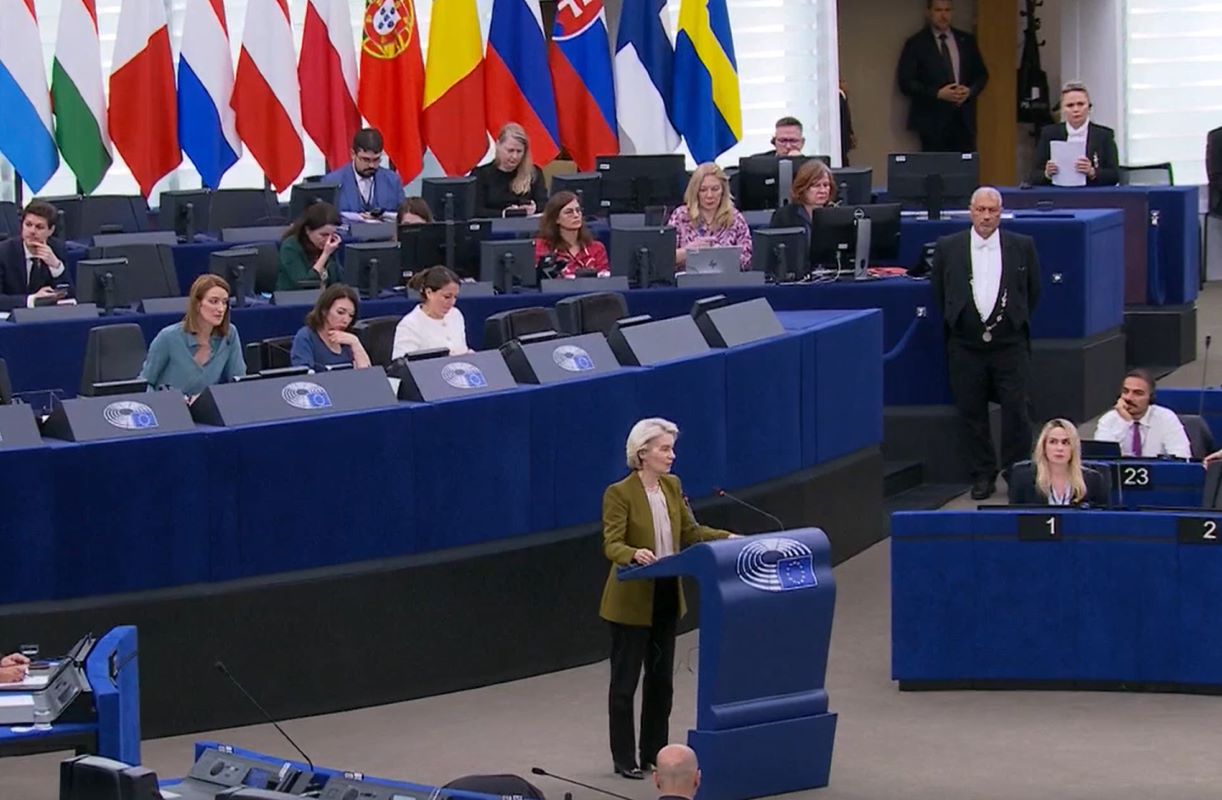
According to Ursula von der Leyen, the European Union has already paid a steep price. Speaking at the plenary session of the European Parliament, she warned that in a volatile geopolitical context, excessive reliance on energy imports is no longer sustainable.
The current crisis remains deeply rooted in fossil fuels, even as its ripple effects extend across the broader energy system.
€27 billion spent with no additional energy supply
Data from the first two months of conflict highlight a structural weakness in Europe’s energy strategy. Despite efforts to diversify fossil fuel sources after the 2022 crisis, the issue of energy security has not been resolved, only postponed.
“Since the beginning of the war in Iran, our spending on fuel imports has increased by more than 27 billion euro, without a single additional molecule of energy,” von der Leyen stated.
Her conclusion is direct. Europe must reduce its dependence on imported fossil fuels and accelerate domestic production of affordable, clean energy, including renewables and nuclear, while maintaining technological neutrality.
For regions like Sub-Saharan Africa, where energy import dependency remains a critical issue, the European experience offers a clear warning about the long-term risks of fossil-based systems.
Renewables begin to shield electricity prices
There is already evidence that a cleaner energy mix can improve resilience. The expansion of renewables over the past four years has started to cushion the impact of rising gas prices.
In 2022, gas set electricity prices 70% of the time. Today, that figure has dropped to 30%, signaling a structural shift in how energy markets operate.
The implication is straightforward. The lower the reliance on gas, the weaker its influence on electricity costs.
Sweden shows how to reduce exposure to gas volatility
Not all countries are equally exposed. Nations such as Denmark, Finland, Sweden, and Slovakia are currently better protected from gas price volatility.
Sweden stands out as a benchmark. With 99% of its electricity generated from renewable and nuclear sources, its market is almost immune to gas fluctuations.
“When the price of gas increases by 1 euro per MWh, the Swedish electricity bill rises by only 0.04 euro per MWh,” von der Leyen explained. “This is how we protect ourselves from future shocks.”
This model is increasingly relevant for fast-growing economies in Africa, where expanding renewables could simultaneously improve energy security and reduce exposure to global price shocks.
Targeted support measures to avoid past mistakes
Beyond structural reforms, the European Commission is urging governments to refine their crisis response. Support measures should focus specifically on vulnerable households and businesses, avoiding broad subsidies that risk inflating demand for fossil fuels.
This approach aligns with recommendations from Rodrigo Valdes at the International Monetary Fund, who has called for more targeted and temporary energy aid.
“Measures should be directed only at the most vulnerable families and sectors, avoiding an increase in gas and oil demand,” von der Leyen noted.
The lesson comes from past missteps. During the 2022 crisis, only a quarter of emergency aid reached vulnerable groups, while over €350 billion was spent on untargeted measures. This not only strained public finances but also weakened support for those most in need.
The message is clear. In a prolonged fossil energy crisis, both structural change and precise policy targeting are essential to avoid repeating costly mistakes.