How energy digitalisation supports Europe’s technological sovereignty
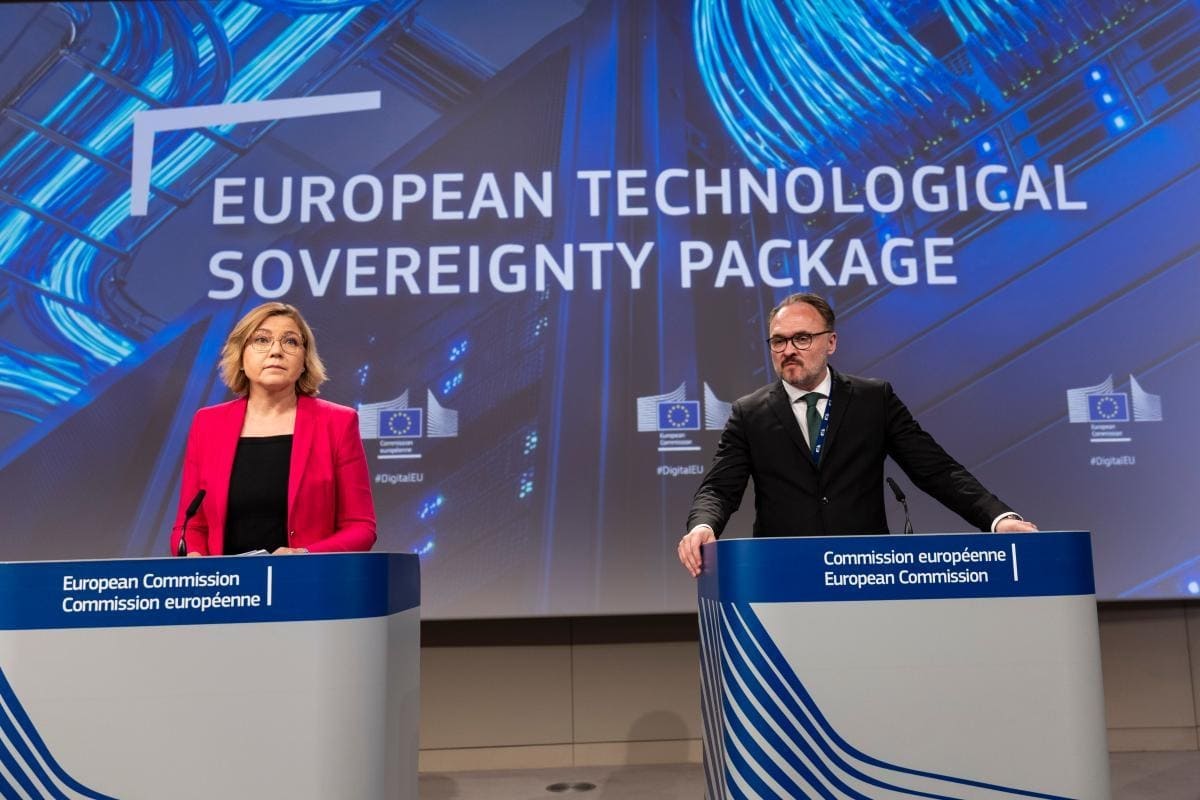
“Digitalising the energy system offers Europe the opportunity to get more out of existing infrastructure while reducing energy bills for consumers.” With these words, Teresa Ribera presented one of the key instruments included in the EU’s new technological sovereignty package. The initiative is a strategic roadmap designed to optimise the use of energy resources through digital solutions and artificial intelligence.
At a time when fossil fuel market pressures continue to undermine business competitiveness and household purchasing power, using energy more intelligently has become a necessity. Digital technologies can help achieve this objective, but they also create new challenges. The infrastructure required to support digitalisation is itself among the fastest-growing sources of electricity demand.
Digitalisation as a driver of a more efficient energy system
This apparent paradox can be turned into a positive cycle through a structured approach that ensures the sustainable integration of digital infrastructure into the energy system while making the network more efficient and resilient.
With this goal in mind, the European Commission has defined a roadmap built around three key pillars:
- Energy for Artificial Intelligence
- Energy system digitalisation and Artificial Intelligence
- Data for Artificial Intelligence and the energy system
“Our task is clear,” added Dan Jørgensen. “We must manage the growing energy demand generated by digitalisation while taking full advantage of the immense opportunities offered by innovation.”
Energy for AI and sustainable data centre growth
The first pillar focuses on the sustainable integration of data centres into the energy system. As EU data centre capacity is expected to triple over the next five to seven years, managing its impact on electricity demand and grid infrastructure will become increasingly important.
To address this challenge, Brussels plans to introduce a model tripartite agreement in the second half of 2026, aligning public authorities, data centre operators and energy sector stakeholders. The initiative aims to improve information sharing for grid planning, optimise site selection for new projects, increase transparency around grid connection requests, including the “use-it-or-lose-it” principle to prevent speculative reservations, and encourage the use of renewable energy Power Purchase Agreements (PPAs).
The Commission is also expected to launch an EU classification system for data centres this year. The framework will assess energy efficiency, water efficiency, clean energy use, waste heat recovery and operational flexibility. By 2027, the EU executive plans to begin defining minimum energy performance standards for the sector.
Energy digitalisation and AI for smarter grids
The second pillar of the strategy focuses on deploying digital solutions and artificial intelligence across the energy system to improve operational management and facilitate higher levels of renewable energy integration.
The Commission intends to develop a catalogue of key performance indicators (KPIs) by mid-2026 to measure the adoption of innovative technologies within transmission and distribution networks. It also plans to present legislation by the end of the year aimed at accelerating the deployment of smart meters across the Union.
As part of the broader ambition to position Europe as a leader in sovereign and secure AI models for the energy sector, the Commission will launch a dedicated Community of Practice by 2027. This initiative will support the development of AI models for grid planning and management. Digital permitting portals are also scheduled for rollout by 2028 to streamline authorisation procedures.
In addition, €50 million in Horizon Europe funding will be allocated to AI technologies supporting electricity networks, self-consumption and energy storage solutions.
Energy digitalisation, data governance and cybersecurity
The final pillar addresses data governance. The objective is to overcome current regulatory fragmentation and facilitate cross-border data sharing for operational purposes, research activities and AI model training.
The roadmap also tackles one of the most pressing concerns associated with the convergence of energy and digital technologies: cybersecurity.
Particular attention is given to photovoltaic installations, where specific cyber risks have been identified, including electricity generation manipulation or disruption, unauthorised access to operational data, supply chain infiltration by malicious actors and the possibility of triggering remote blackouts.
To address these threats, the Commission is conducting a systemic risk assessment covering priority sectors, including solar energy installations. The forthcoming Cybersecurity Act proposal will provide the legal framework needed to prohibit, where necessary, the use of inverters supplied by high-risk vendors within the European Union.