Protecting and empowering Europeans with the Citizen Energy Package
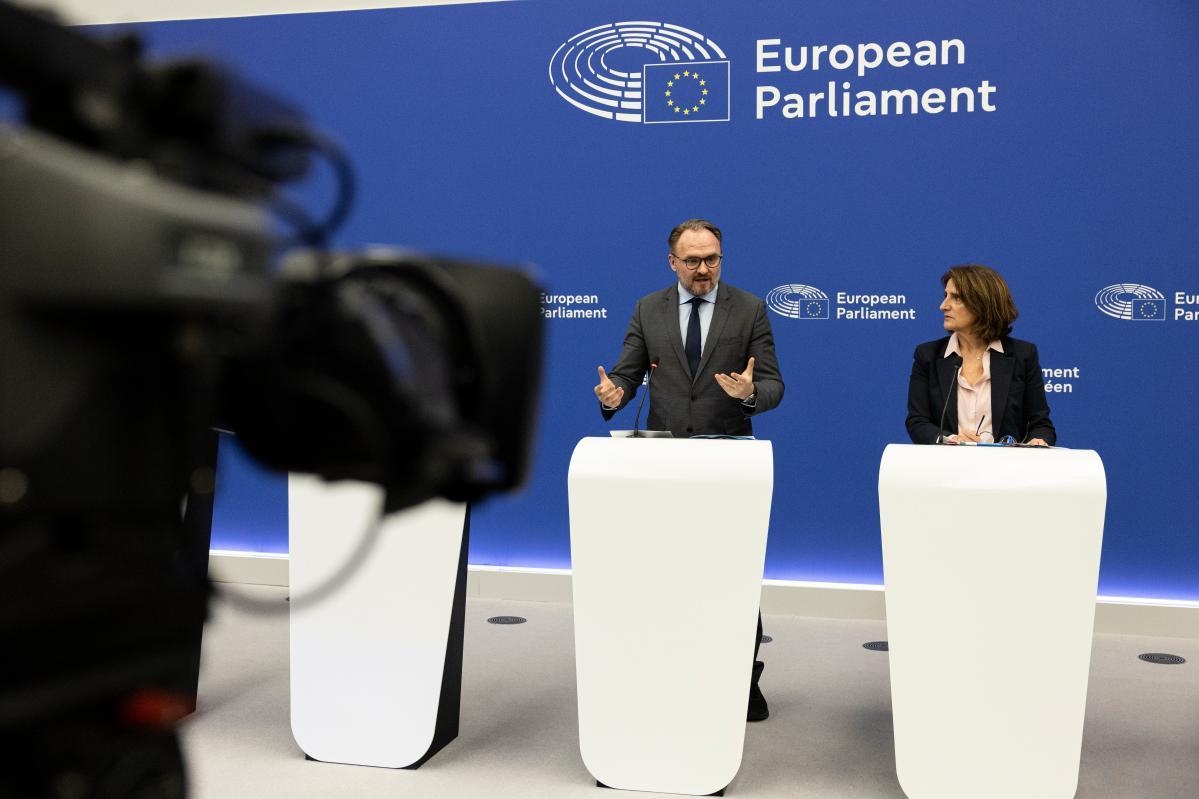
“The situation in Iran reminds us of a simple truth. Locally produced clean energy is the only lasting solution for the EU to break the cycle of dependence on fossil fuels and price volatility.” With these words today in Brussels, Commissioner Teresa Ribera, Executive Vice-President for a clean, just, and competitive transition, presented the new Citizen Energy Package, a series of measures designed to protect and empower Europeans from an energy perspective.
The action is built on four fundamental pillars: bill reductions through tax relief, protection for vulnerable consumers, combating energy poverty, and rigorous enforcement of existing EU laws.
The burden of high energy bills
Launched alongside the clean energy investment strategy, the package does not, in fact, represent a structural response to the energy risks triggered by the Middle East conflict. However, uncertainties related to the US-Israel war against Iran have certainly added new urgency.
It is no secret that since the 2021-2022 crisis, retail electricity prices in the region have remained overall higher than pre-Covid levels. The reason? Primarily due to external factors influencing wholesale energy prices, such as global supply patterns and weather anomalies affecting both supply and demand. These factors, on the whole, are increasing the number of people experiencing energy poverty.
The Citizen Energy Package aims to address these challenges with both a protective and empowering approach.
Reducing household energy bills
The European Commission is examining a series of bill components that influence the final cost of energy to identify possible cuts. “Data shows that electricity taxes account for an average of 25% of the price for households,” the EU executive writes on its website.
This is why among the listed actions is an invitation for the twenty-seven member states to reduce electricity taxes and levies to EU minimums, thanks to the flexibilities provided by VAT and energy directives.
At the same time, it suggests eliminating non-energy-related costs, such as TV license fees. These interventions alone could reduce citizens’ energy bills by 14%, with an average saving of around 200 euros per year.
The package also promotes targeted incentives in network tariffs – tariffs that represent between a quarter and a third of the bill price – to reward flexible local consumption and reduce the need for costly infrastructure investments.
Finally, innovative financing models are encouraged, such as social leasing or “heat-as-a-service,” to enable even those with limited financial means to install heat pumps or smart home systems.
Empowering consumers
Lowering bills, however, is only one part of the strategy. Simultaneously, the Commission aims to make Europeans active and “responsible” participants in the energy market. How? By facilitating the creation of citizen groups, including small businesses and farmers, who produce and share their own renewable energy, with the goal of increasing installed capacity tenfold by 2030. And by promoting contracts that reward consumers who shift their consumption (e.g., charging electric vehicles) to periods when energy costs less.
The energy package also invites EU states to develop a new code of conduct for suppliers, aimed at combating aggressive telemarketing and unfair commercial practices. Finally, it suggests making it technically possible to switch providers within 24 hours, ensuring that consumers receive advice on the “best tariff” based on their consumption at least once a year.
Community estimates suggest that citizens lose an average of 152 euros per year by not switching to more advantageous offers. These measures, along with the promotion of dynamic pricing contracts (which can reduce bills by up to 40% if consumption is actively managed), can give citizens back control over their energy spending.
Combating energy poverty
The fight against energy poverty is identified as an absolute priority of the Citizen Energy Package. By the end of 2026, the Commission will help member states to identify the worst-performing buildings where the most vulnerable citizens reside, to define tailored efficiency policies. A new call for projects will also be launched to fund lasting solutions for struggling households.
And by the fourth quarter of 2026, the EU executive will share best practices for addressing the issue of divergent incentives (between owners and tenants), using digital tools, and protecting citizens from heat waves.
Last but not least, the package calls for establishing early warning systems for families struggling with payments and promoting debt management schemes to prevent electricity or gas disconnections.
Next steps for the Citizen Energy Package
Today’s package will be complemented by further guidance for member states on energy communities, retail contract flexibility, and consumer protection, as well as calls for proposals under the LIFE program to combat energy poverty.