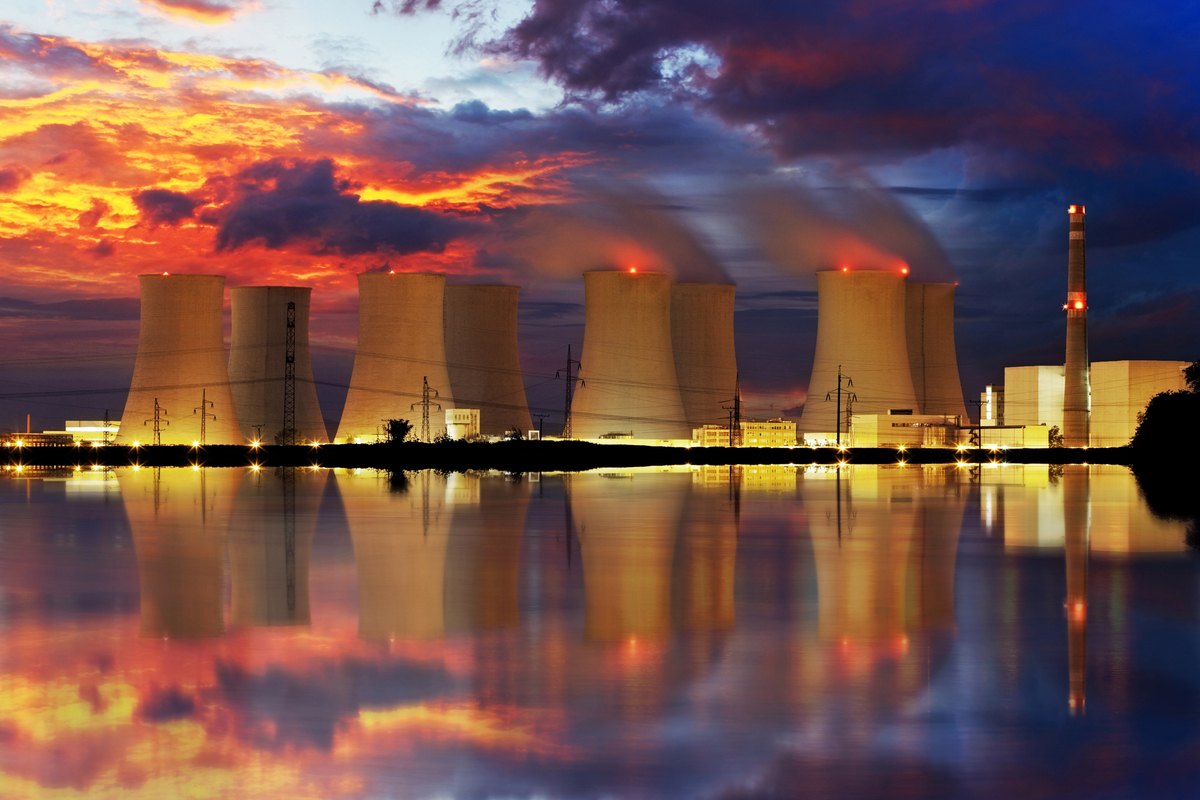
Nuclear power and climate change: European plants struggle with rising temperatures
The summer of 2026 provided another stark demonstration of the vulnerability of nuclear power to climate change. It also exposed a striking paradox: heatwaves are becoming more frequent and intense because of global warming, while tackling climate change is itself often cited as a reason to expand nuclear power.
Heat and drought disrupt nuclear generation across Europe
Several European countries were forced to shut down or curtail nuclear power plants because of high temperatures and drought, once again highlighting how dependent nuclear generation can be on climatic conditions. These disruptions occurred at a time of particularly high electricity demand, with some countries also experiencing problems with their power grids.
The impact of this summer’s extreme weather on nuclear plants was significant. Bulgaria’s only nuclear power plant had to reduce its output. Romania was forced to shut down both of its reactors. Hungary narrowly avoided closing its sole nuclear plant, which supplies half of the country’s electricity, but cut its output by three-quarters. In France, meanwhile, unusually hot rivers placed reactors across the country under pressure.
Nuclear power and climate change: the main risks
The climate hazards identified by scientists, including a progressively warmer climate, extreme weather events, sea-level rise and changing precipitation patterns, pose challenges to the safe operation of both existing and planned nuclear power plants.
The risks extend across several areas. Warmer water used in cooling systems can reduce turbine efficiency, while biological contamination can obstruct water intakes. Drought can restrict access to cooling water, extreme storms can disrupt operations, and sea-level rise and coastal storm surges can threaten facilities located near the coast.
Taken together, these pressures illustrate why the relationship between nuclear power and climate change is not limited to emissions. A changing climate can also affect the reliability and resilience of the infrastructure itself.
Drought poses a particular challenge in Europe and South Asia
Drought, which is a particular concern in Europe and South Asia, increases the risk of interruptions to nuclear generation. Reactors that draw cooling water from lakes or the sea rather than rivers are less exposed to this specific problem, but face other challenges.
Nuclear infrastructure in North America and East Asia, for example, must contend with the threat of cyclones and other severe storms. Sea-level rise could put coastal plants at risk, particularly in the United States and Japan.
There is also the problem of jellyfish. Their populations can proliferate in warmer waters and potentially obstruct nuclear power station pumping systems, as happened in France this summer.
As highlighted in an analysis by the Bulletin of the Atomic Scientists, wildfires can also threaten the proper operation of nuclear facilities because they can disable safety systems. In August 2020, a derecho, a widespread and destructive straight-line windstorm, caused severe damage to the cooling towers at the Duane Arnold nuclear power plant in Iowa, leading to the facility’s permanent closure earlier than planned. Natural disasters and extreme weather can also complicate the management of potential accidents.
Europe, the fastest-warming continent, is particularly exposed to these climate risks, as many of its reactors were built along rivers or depend on cooling reservoirs that are vulnerable to drought.
Nuclear plants face growing exposure to climate hazards
These climate risks are expected to intensify. In 2022, the International Atomic Energy Agency (IAEA) reported that 70% of global nuclear capacity, either operating or under construction, was concentrated in just three regions: eastern North America, western and central Europe, and the Far East.
The report also warned that these regions would become increasingly exposed to multiple climate hazards, including heatwaves, heavy precipitation, coastal and river flooding, and tropical cyclones.
In 2022, around 15% of reactors worldwide relied on freshwater sources already under considerable stress as a result of global warming. According to the IAEA, that proportion could rise to 25% over the following 20 years.
The figures point to an increasingly important challenge for nuclear power and climate change: while nuclear generation is frequently considered part of strategies to reduce greenhouse gas emissions, the plants themselves must be able to withstand the physical consequences of a warming climate.