How lignin is becoming a valuable resource for circular economy industries
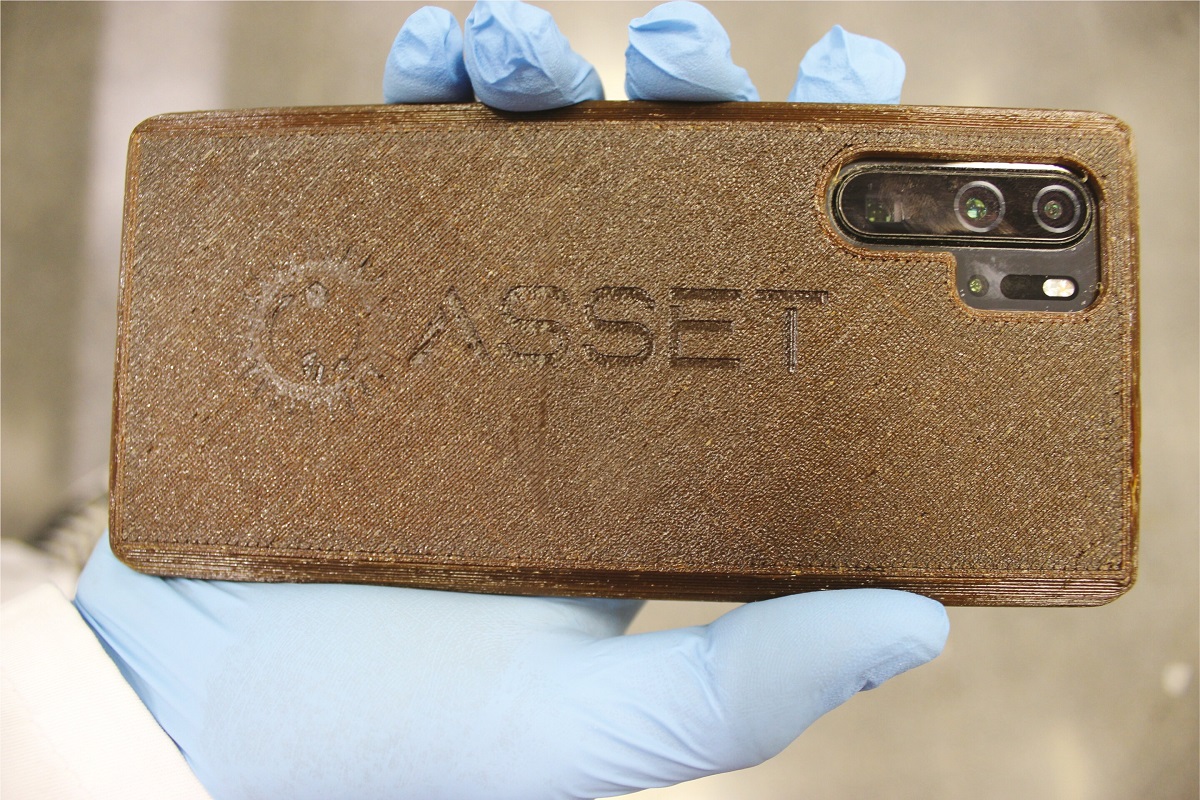
The casing of a smartphone made from sustainable plastic derived from recovered lignin could soon become a common reality. Researchers from Spain have developed an innovative process that converts the world’s second most abundant natural polymer after cellulose into high-value products, including bioplastics and food-grade compounds.
The international collaboration, led by the University of Alicante and the Polytechnic University of Valencia, has shown how a material traditionally considered difficult to process can become a strategic feedstock for the food, cosmetics and advanced materials sectors.
read also Transparent wood and its potential in sustainable construction
The challenge of unlocking lignin’s potential
Around 30% of terrestrial plant biomass is made up of lignin. Despite its abundance, its highly complex chemical structure has long prevented efficient conversion into useful products, generating heterogeneous mixtures that are difficult to refine.
The Spanish researchers, whose findings were published in the journal Nature, developed an innovative anthraquinone-based photocatalyst.
This low-cost and stable material is activated by ultraviolet light and selectively breaks the most common chemical bonds found within lignin. The process allows scientists to transform lignin into high-value products, according to Dr Néstor Guijarro, lead author of the study. The integration of the technology into a flow reactor also makes the process continuous, scalable and suitable for industrial deployment.
Lignin and vanillin production with zero waste
One of the most significant outcomes of the process is the production of vanillin, the key molecule responsible for vanilla flavouring.
The connection between lignin and vanillin lies in lignin’s aromatic monomers, the chemical building blocks required to produce the compound. The newly developed photocatalyst selectively breaks previously inaccessible bonds and enables the extraction of 94% of the aromatic units available in the raw material.
Lignin bioplastics improve 3D printing performance
The circular economy value of the technology extends far beyond vanillin production. The remaining lignin fragments are not discarded but converted into high-quality biodegradable plasticisers.
These additives have been successfully tested with polylactic acid (PLA), one of the world’s most widely used biopolymers and a key material for 3D printing applications.
Laboratory testing showed that the resulting materials deliver greater flexibility and durability than conventional bioplastics while maintaining full compatibility with additive manufacturing processes.
Commercial applications of lignin-based materials
To demonstrate the commercial viability of the technology, researchers produced consumer goods including a biodegradable smartphone case.
According to the research team, the final products exhibit performance characteristics comparable to conventional petroleum-derived plastics, while offering a significantly more sustainable lifecycle and eliminating waste throughout the production chain.