Why the EU-Mercosur agreement is nearing signature
After more than two decades of talks, the draft EU-Mercosur agreement is now on the tables of both sides of the Atlantic and appears close to ratification.
The final signature is expected on 17 February 2026, when European Commission President Ursula von der Leyen is due to formally endorse the deal.
What has accelerated the process? The current geopolitical context suggests that the trade policy of US President Trump, which has reshaped long-standing alliances and global trade rules through sudden and destabilising decisions, is not unrelated to the timing of the agreement.
Europe is seeking new trade routes to move beyond the uncertainties created by US policy and reduce strategic dependence on China.
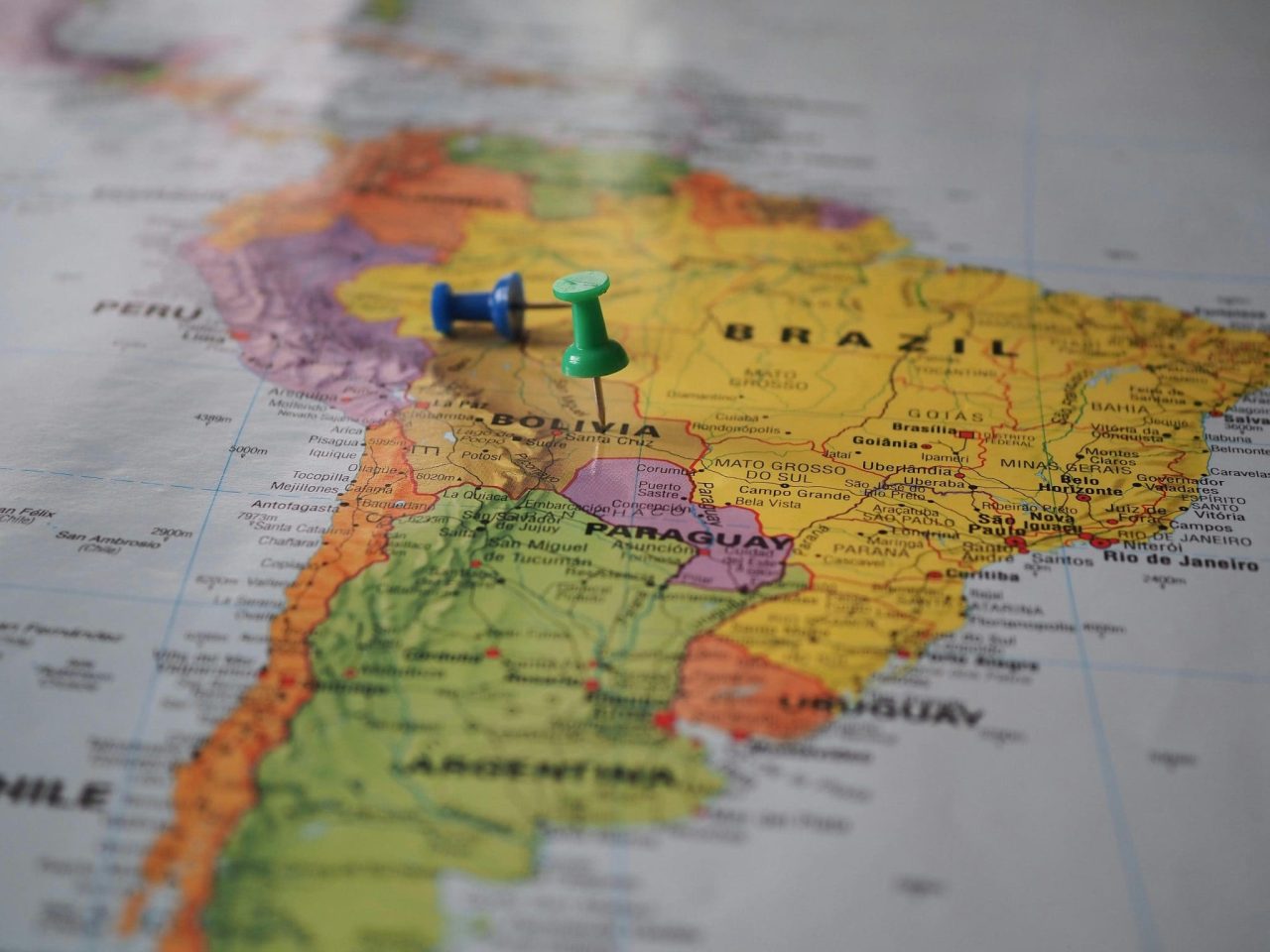
What Mercosur is
Mercosur, Mercado Común del Sur, is a treaty inspired by the European Union model. Since 1991, it has brought together Latin American countries to promote economic and trade integration.
It functions as a South American common market aimed at strengthening the region’s position in global trade.
Current full members are Argentina, Brazil, Paraguay, Uruguay and Bolivia. Venezuela was suspended in 2016 for violating democratic rules and failing to comply with Mercosur obligations. After being downgraded to associate status, it has not yet been reinstated as a full member.
Chile, Colombia, Ecuador, Guyana, Peru and Suriname are associate states. They maintain trade links with the bloc but do not have full voting rights.
Mercosur’s functions include eliminating tariffs and trade barriers and allowing citizens to reside and work in other member countries. However, significant economic disparities remain among member states and are unlikely to be resolved in the short term.
What the EU-Mercosur agreement entails
Ratifying the EU-Mercosur agreement would create one of the largest free trade areas in the world, covering more than 700 million people.
Concerns exist on both sides. Within the EU, farmers are among the most worried. They fear unfair competition from lower-cost products produced in countries not bound by the same strict environmental and health standards as those in Europe. South American industries, for their part, fear that less competitive local sectors could be overwhelmed by technologically and industrially stronger European products.
Under these conditions, the agreement could risk maintaining South America in a position of economic dependence, with Mercosur countries exporting primarily raw materials and agricultural goods, while the EU exports higher value-added industrial products and services.
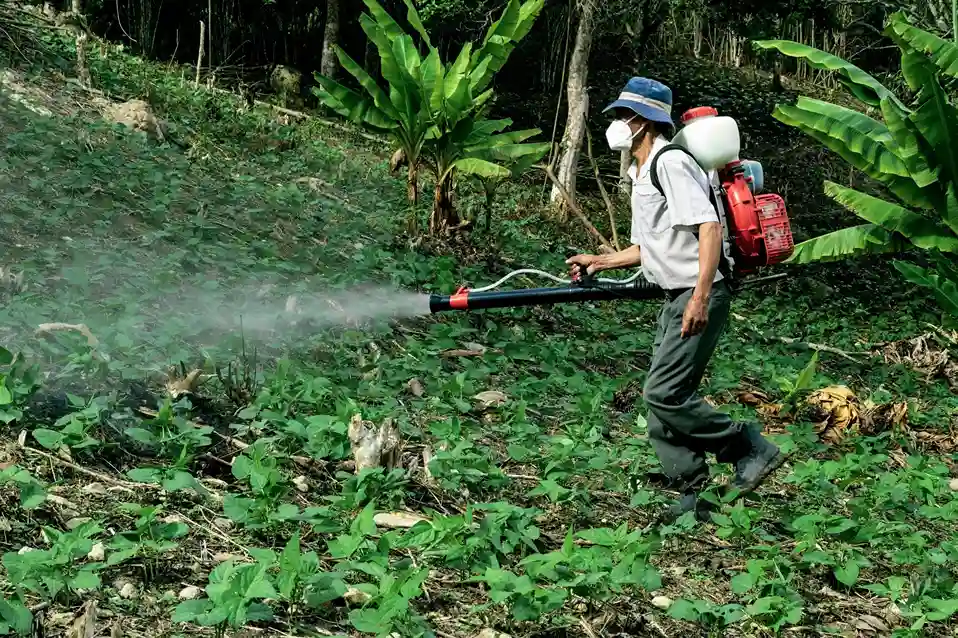
Environmental concerns remain central, albeit for different reasons. The EU has repeatedly raised doubts about compliance with environmental and social standards in Mercosur countries, including deforestation, the use of highly toxic fertilisers and pesticides, unacceptable working conditions and even child labour.
South American industries, meanwhile, view EU environmental and social standards as burdensome non-tariff barriers. Failure to comply with complex and costly EU regulations could effectively prevent exports to Europe.
Are the concerns unfounded?
Farmers’ concerns are not unfounded. European producers are required to comply with strict rules on pesticides, fertilisers, antibiotics and animal welfare.
In South America, by contrast, synthetic chemicals widely used in agriculture have been banned in Europe for decades due to recognised health risks.
This could lead to forms of unfair competition. Producing without equivalent constraints reduces costs, potentially allowing South American products to undercut European ones. Beef, poultry, rice and honey could enter the EU market duty-free, and meat prices could be 18% to 32% lower than those produced in Europe.
The need to find new markets
Global trade dynamics have changed significantly, and the EU-Mercosur agreement appears to be a geopolitical compromise.
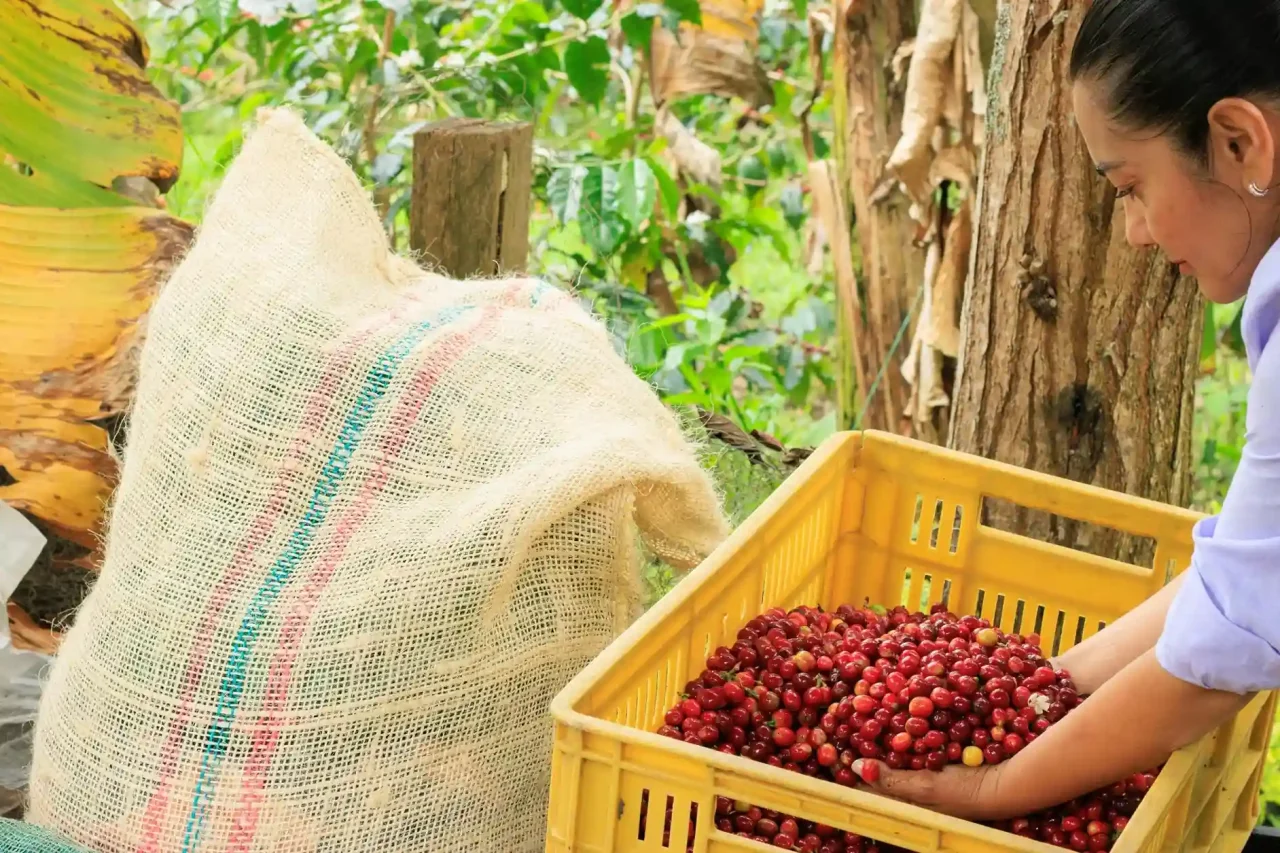
European cars, machinery, chemicals and pharmaceuticals would gain access to a vast new market with minimal tariffs, while Mercosur countries would primarily export agricultural goods.
Fifteen Member States, representing around 65% of the EU population, have supported ratification. France, Poland, Austria, Hungary and Ireland remain opposed, while Belgium abstained.
Access to critical raw materials, including rare earths abundant in South American subsoil, is also a factor, potentially reducing dependence on China.
EU-Mercosur agreement, an “assisted suicide”
The agricultural sector – which took to the streets in Brussels in December, describing the EU-Mercosur agreement as an “assisted suicide”, and which will return to protest on 20 January – is promising massive opposition. It argues that the European Commission’s position is not aimed at “guaranteeing food security, safeguarding farm businesses and securing the future of Europe’s rural areas.”
“We are not asking Europe only for rules. We are asking for a new vision that combines sustainability and income, food security and energy transition, innovation and quality employment. To build this Europe, we need an alliance between farmers, finance, energy, pensions, insurance, labour and the environment.
We cannot allow the EU to disinvest in agriculture while in other parts of the world significant resources are being allocated to defend farmers. Instead, we are witnessing a disarmament of the primary sector,” said less than a month ago Massimiliano Giansanti, president of Confagricoltura. Today, if anything, concerns are even stronger.
No trade-off between CAP funds and Mercosur
Confagricoltura welcomes the increase in CAP funds, but makes it clear that there must be “no trade-off between CAP funding and Mercosur: trade agreements must be based on reciprocity and safeguard European agriculture over time.”
The organisation also considers the proposed measures on reciprocity insufficient, describing the principle as “fundamental to ensuring fair and transparent international trade.”
According to Confagricoltura, the current wording of the agreement confirms an existing asymmetry: “While Italian and European farm businesses are required to comply with extremely high standards in terms of environmental sustainability, food safety and workers’ rights, the same rules are not applied to imports from Mercosur countries.”
As mentioned above, these conditions create a clear disparity in terms of competition and competitiveness: “Opening the single market to products made under constraints and costs significantly lower than those imposed on our farmers means penalising the Italian and European production model, which is built on quality and safety as its defining features.”
The risk of banned pesticides returning to European plates
Coldiretti has taken an even harder line, stressing the need for reciprocity and stronger controls, and expressing strong criticism of the European Commission.
According to Coldiretti, the paradox is that “this agreement ultimately favours above all the German chemical industry, which produces pesticides strictly banned in Europe, exports them to Mercosur countries and, in the absence of reciprocity, sends them back onto our plates through food, to the detriment of the health of European consumers.”
The association does, however, support lowering the safeguard trigger to 5%, which activates protection measures for sensitive agricultural products. In practical terms, if European producers suffer damage, the EU can raise customs duties to block an influx of low-cost products.
Accelerating transparency
Coldiretti and Filiera Italia are also calling for greater transparency, starting with mandatory labelling clearly indicating the country of origin on all food products. They present this as a measure to protect consumers and the Made in Italy brand.
In essence, they are calling for “the abolition of the origin rule based on last transformation, an intolerable deception currently permitted by the customs code, which allows products that are not Italian to become ‘Italian’, distorting competition, misleading consumers and encouraging practices that damage our supply chains.”
Will the increase in funds be real?
Ursula von der Leyen has proposed making €45 billion available for the CAP starting in 2028. The proposal has been cautiously welcomed, given the low level of trust in European institutions: “Announcements must be followed by European legislative acts that clearly and without discretion guarantee that these funds are allocated to defending farmers’ income.” The sector has not forgotten the Commission’s previous attempt to cut agricultural funding.
Coldiretti fears that the Commission could introduce “technical and bureaucratic obstacles to the full use of funds allocated to agricultural businesses.”
Confagricoltura also expresses “serious doubts about preserving the European character of the CAP, which must not be nationalised, thereby weakening the unity of the EU market and creating distortions of competition among farmers.”